


6
Introduction
Electronic dance music has become a global cultural phenomenon, bringing together millions of people through festivals, concerts, clubs, and underground music events. Beyond the music, these events create opportunities for social interaction, self-expression, and community building. However, nightlife environments can also present health and safety challenges, making education and awareness increasingly important.
DanceSafe is a nonprofit organization dedicated to promoting health, safety, and harm reduction in electronic music communities. Through educational campaigns, community outreach, and drug-checking initiatives, the organization works to provide people with reliable information about potential risks and ways to reduce harm.
DanceSafe takes a nonjudgmental approach to education, encouraging people to make informed decisions about their health and well-being. Its work focuses on creating safer environments where individuals can access information and seek assistance when necessary.
This article explores DanceSafe’s educational activities, its approach to festival safety, and its contribution to the electronic music community.
1. Understanding DanceSafe and Its Purpose


6
DanceSafe is a nonprofit organization established in 1998 in the United States. It focuses on harm reduction and health education, particularly within electronic music and nightlife communities.
The organization was created to address concerns about recreational drug use and other health risks associated with nightlife environments. Its approach emphasizes education, accurate information, and practical safety measures.
DanceSafe works to make health resources accessible to people attending music festivals and other events. Its activities include distributing educational materials, providing information about drug-related risks, and supporting community-based harm reduction initiatives.
Rather than focusing exclusively on discouraging risky behavior, the organization emphasizes the importance of understanding potential consequences and reducing preventable harm.
2. The Importance of Harm Reduction
Harm reduction is an approach that seeks to minimize the negative consequences of potentially harmful activities. It focuses on practical solutions, education, and access to appropriate support.
In electronic music communities, harm reduction can involve several important areas, including substance-related education, hydration awareness, medical assistance, and recognizing health emergencies.
DanceSafe promotes the idea that people should have access to accurate health information regardless of their personal circumstances.
For example, someone attending a music festival may benefit from understanding the risks associated with extreme heat, prolonged dancing, or unexpected reactions to substances.
Harm reduction also encourages people to seek medical assistance when needed instead of allowing fear or embarrassment to prevent them from getting help.
By making these conversations more accessible, DanceSafe contributes to a broader understanding of public health within nightlife communities.
3. DanceSafe’s Drug Education Initiatives


5
Drug education is an important part of DanceSafe’s work. Recreational substances can involve significant health risks, particularly when their ingredients, strength, or effects are unknown.
DanceSafe provides educational information to help people understand these risks. Its resources discuss substance-related dangers, potential adverse reactions, and the importance of recognizing medical emergencies.
The organization also supports drug-checking initiatives. Depending on the location and available services, these may include reagent testing and access to more advanced testing technologies.
Drug checking can provide information about the possible contents of a sample. However, testing methods have limitations and cannot guarantee that a substance is safe.
For example, reagent tests generally cannot establish the purity or exact dosage of a substance. A negative result for a particular compound also does not prove that a sample contains no dangerous substances.
DanceSafe emphasizes the importance of understanding these limitations when interpreting test results.
4. Creating Safer Music Festival Experiences


6
Music festivals often involve extended periods of dancing, crowded spaces, loud music, and changing weather conditions. These factors can create physical challenges for attendees.
DanceSafe promotes awareness of common festival-related health concerns and encourages people to take appropriate precautions.
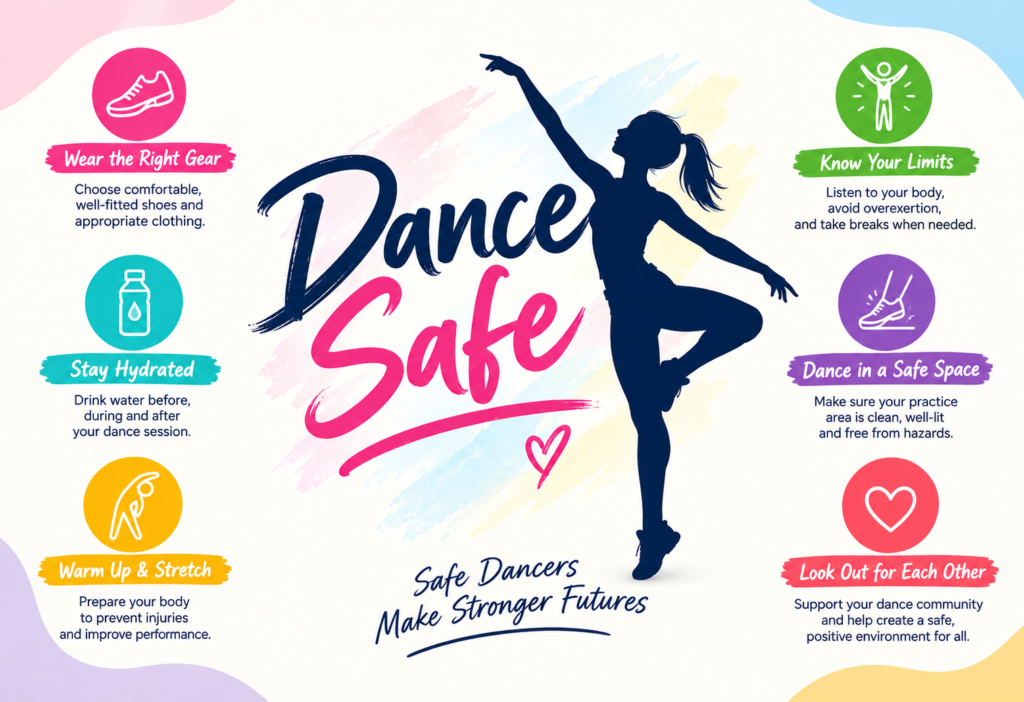
Some important safety considerations include:
- Taking regular breaks: Resting between performances can help prevent exhaustion.
- Staying hydrated: Drinking appropriate amounts of water is important, but excessive water consumption can also be dangerous.
- Avoiding overheating: Spending extended periods in hot environments can increase the risk of heat-related illness.
- Recognizing emergencies: Confusion, unconsciousness, seizures, and severe breathing difficulties require immediate medical attention.
- Looking after friends: Staying connected with friends can help people recognize when someone needs assistance.
Festival attendees should also familiarize themselves with the location of medical facilities and follow the instructions of event staff.
These basic precautions can help people recognize potential health problems and respond promptly.
5. Supporting Mental and Physical Well-Being
Health and safety at music events involve more than preventing physical injuries. Mental and emotional well-being are also important considerations.
Large crowds, loud environments, sleep deprivation, and stressful situations can affect how people feel during and after an event.
DanceSafe’s broader harm reduction approach encourages awareness of personal well-being and the importance of seeking support when necessary.
Attendees can take practical steps to make their experiences more manageable, such as taking breaks from crowded areas, getting adequate rest, and staying connected with trusted friends.
People experiencing severe distress or unusual physical symptoms should seek appropriate medical assistance.
Promoting awareness of mental and physical health can help create a more supportive environment for everyone attending music events.
6. Community Outreach and Volunteer Activities


6
Community involvement is an important part of DanceSafe’s activities.
The organization works with volunteers and community members to share educational resources and raise awareness about health and safety.
At participating events, outreach activities may include educational booths, conversations with festival attendees, and information about available harm reduction services.
Volunteers can help make health information more accessible by answering general questions and directing people toward appropriate resources.
These activities also encourage conversations about safety within electronic music communities.
People interested in public health, community education, or electronic music culture may find volunteering an opportunity to contribute to these initiatives.
Specific volunteer opportunities and event participation depend on the organization’s current programs and local arrangements.
7. The Role of Drug-Checking Technology


6
Drug-checking technology is an important subject in modern harm reduction discussions.
Substances sold illegally may contain unexpected ingredients or differ significantly from what buyers believe they have purchased. This uncertainty can create serious health risks.
Different drug-checking methods provide different levels of information.
Reagent tests use chemical reactions to indicate the possible presence of certain substances. Laboratory-based methods, including more advanced analytical techniques, can provide more detailed information about a sample.
However, no testing method should be treated as an absolute guarantee of safety.
DanceSafe’s educational work helps explain why testing results need to be interpreted carefully and why people should understand the limitations of different technologies.
Access to these services varies according to local laws, available resources, and event policies.
8. DanceSafe’s Contribution to Electronic Music Culture


7
Electronic music culture brings together people from different backgrounds who share an interest in music, creativity, and community.
DanceSafe contributes to this culture by encouraging conversations about health, safety, and responsible decision-making.
Its educational initiatives help make harm reduction part of the broader discussion about nightlife and music festivals.
The organization also highlights the importance of cooperation between attendees, event organizers, volunteers, and healthcare professionals.
Creating safer events requires more than individual awareness. Access to medical assistance, appropriate event planning, and reliable health information are also important.
Through its community-focused approach, DanceSafe seeks to support a culture in which people look after themselves and others.
9. How People Can Support DanceSafe
People who are interested in DanceSafe’s mission can explore several ways to support its work.
They can share reliable educational resources, learn more about harm reduction, explore volunteering opportunities, and support the organization’s activities.
Festival organizers and community groups can also help by making health information accessible and ensuring that attendees know where to find medical assistance.
Individuals interested in volunteering or donating should consult DanceSafe’s official website for current opportunities and requirements.
More information is available at the official DanceSafe website.
10. The Future of Harm Reduction at Music Events
As electronic music festivals and nightlife events continue to evolve, health education remains an important part of creating safer environments.
New technologies, changing patterns of substance use, and growing public awareness are influencing how harm reduction services operate.
Organizations such as DanceSafe contribute to these discussions by providing educational resources and supporting community outreach.
Collaboration between nonprofit organizations, healthcare professionals, festival organizers, and attendees can help improve access to safety information.
Continued investment in education and appropriate medical services can also help communities respond more effectively to health challenges at music events.
Conclusion
DanceSafe plays an important role in promoting health education and harm reduction within electronic music and nightlife communities. Through educational campaigns, drug-checking initiatives, volunteer outreach, and festival safety awareness, the organization works to reduce preventable harm.
Its nonjudgmental approach emphasizes the value of accurate information, community participation, and access to appropriate support.
As music festivals continue to attract audiences around the world, awareness of physical health, substance-related risks, and emergency assistance remains essential.
DanceSafe’s work demonstrates how education and community involvement can contribute to safer and more informed nightlife experiences.